Dalyan Boat Trip
The Dalyan Guide
Written by people who answer the same questions forty times a week. No affiliate links, no top-ten lists — just the things we end up telling everybody on the boat.
Where Dalyan is, and what it actually is
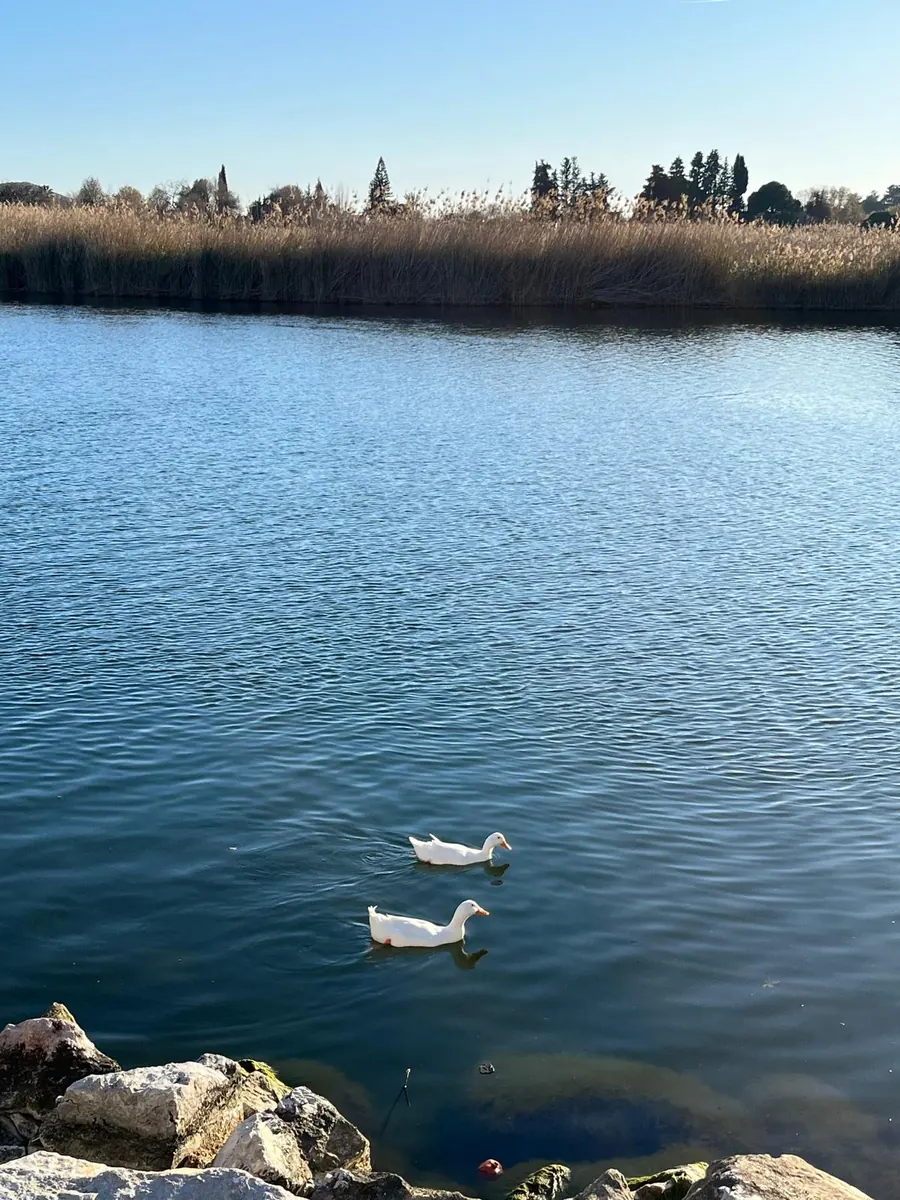
Dalyan is a town of a few thousand people in Ortaca, Muğla province, on the south-west coast of Türkiye. It sits on the Dalyan Çayı — a river that leaves Köyceğiz Lake, wanders through five kilometres of reed beds, and reaches the Mediterranean at İztuzu Beach.
The name means “fishing weir”. The wooden weirs still cross the channel and the town still lives partly off what they catch. The whole delta is a Specially Protected Area, which is why it looks the way it does: no beachfront hotels, no jet skis on the river, no building on the sandbar.
What that means for a visitor: Dalyan is quiet, green and slightly old-fashioned, and everything happens on or around the water. If you want nightlife, Marmaris is an hour and twenty away and you should stay there instead.
Getting here
Dalaman Airport (DLM) is the arrival point — around 25 km, 25 to 30 minutes by road. It takes charter and scheduled flights from across Europe from roughly April to the end of October, and a much thinner winter schedule.
There is no direct public bus from the airport to Dalyan. Your options are a pre-booked transfer, a taxi from the rank outside arrivals, or a bus to Ortaca followed by a dolmuş to Dalyan — which works, is cheap, and is a poor idea at midnight with three suitcases.
Coming overland: intercity coaches stop at Ortaca, six kilometres away, with dolmuşes into Dalyan through the day. Driving, Dalyan is signposted off the D400 between Köyceğiz and Ortaca.
When to come
May, June, September and early October are the best weeks. Warm sea, bearable air, everything open, and boats that are not full.
July and August are hot — regularly over 35°C — and the delta holds the heat. Everything runs, everything is busier, and you will plan your day around shade. Fine with a pool. Hard work without one.
April and late October are a gamble that often pays off: green hills, wild flowers, cool evenings, sea that is bracing rather than warm. Some boats and restaurants have not opened or have already closed.
November to March, Dalyan is a Turkish town in winter. Beautiful, empty, wet, and most tourist businesses are shut. Come for the walking, not for the beach.
What there actually is to do
The boat trip is the day everybody remembers, and there is a reason it exists in the shape it does — the mud baths, the tombs and the beach are genuinely three of the best things in the area and they happen to be on one river.
Beyond that: Kaunos on foot, İztuzu for whole lazy days, the mud baths again in the evening when the crowds have gone, kayaking on the quieter channels, a jeep day in the hills, Saklıkent Gorge, Köyceğiz market on Monday, the Sunday market in Dalyan itself, and the turtle rescue centre at the beach.
And a legitimate amount of doing nothing. Dalyan rewards a slow week better than a busy one.
Kaunos and the rock tombs
The tombs in the cliff opposite the town are the reason most people first look Dalyan up. They are temple façades — columns, pediments, the lot — cut directly into the rock in the 4th century BC, and they belong to Kaunos, a Carian city carved in the Lycian style.
The tombs are best seen from the water, from the town side at sunset, or floodlit after dark. You cannot climb up to them.
The city itself is a separate visit and worth it: a theatre cut into the hillside, an acropolis with a long view down the delta, Roman baths, a basilica and the harbour agora — a harbour that silted up, which is exactly how Kaunos died and how the reed beds were born. Get there by the little ferry boat across the river from the town, then a ten-minute walk. Go early or late; there is very little shade.
İztuzu — Turtle Beach
Four and a half kilometres of sand sealing the river off from the sea, with fresh water on one side and the Mediterranean on the other. It is a nesting beach for loggerhead sea turtles (Caretta caretta), and it is protected — which in the late 1980s took an international campaign to stop a hotel being built on it.
In nesting season, roughly May to September, the beach is closed at night, umbrellas must stay behind a marked line and no vehicles go on the sand. These rules are why the beach still looks like this. Take them seriously; the guards do.
You reach it by shuttle boat from Dalyan in about half an hour, or by road to the Ortaca end in about 25 minutes. The river end has the café, showers, sunbeds and the DEKAMER turtle rescue centre, where injured turtles are treated and can be visited.
The mud baths and hot springs
Sultaniye, on the far shore of Köyceğiz Lake, is a sulphur spring that has been used since antiquity. The routine is: coat yourself in grey mud from the pool, let it bake in the sun until it cracks, rinse it off, then sit in the thermal water at around 39°C.
It is silly and it is one of the best hours of the holiday. Two practical warnings: the sulphur smell gets into swimwear and does not come out, and the mud will strip a silver ring, so leave jewellery on the boat.
Most boat trips include the journey there but not the entrance fee, which is paid at the gate in lira.
Practical things nobody tells you
Money: lira. Card is widely accepted in restaurants and shops, but boat cooperatives, site entrances, dolmuşes and the beach café want cash. There are ATMs in the centre.
Getting around town: Dalyan is walkable end to end. Dolmuşes run to Ortaca and Köyceğiz. Taxis exist but there are not many; agree the fare first.
Mosquitoes: it is a delta. Evenings on the river want repellent. Rooms with a fan and a plug-in are fine.
The sun: the sea breeze on a boat hides how strong it is. Every single burn we see happened on a boat deck, not a beach.
Water: drink bottled. Everyone does, including us.
Pharmacies (eczane) are good, cheap and open late, and pharmacists here diagnose minor things for free. The nearest hospital is in Ortaca.
Sundays: there is a market in Dalyan. Mondays: Köyceğiz. Both are worth an hour.
Tipping: not compulsory, always noticed. Rounding up is normal; ten per cent in a restaurant is generous.
How we would spend a week
Day 1 — arrive, walk the river, eat late, do nothing.
Day 2 — the full boat trip: mud baths, Kaunos from the water, İztuzu all afternoon.
Day 3 — pool day, then Kaunos on foot in the late afternoon when the stone goes orange.
Day 4 — jeep safari into the hills, trout at Yuvarlakçay, mud baths again on the way back.
Day 5 — the beach shuttle to İztuzu with a book, and nothing else at all.
Day 6 — Saklıkent Gorge, or the 12 Islands boat from Fethiye if you want open sea.
Day 7 — Sunday market, sunset cruise, the good table by the water.